9+ curated guides • Updated October 2025
Before Coco Chanel, fine jewelry was a public ledger of a husband's wealth. Her radical decision to champion bold, beautiful 'fakes' wasn't just about aesthetics; it was a calculated revolt. This is the story of how costume jewelry became the great equalizer, dismantling old-world notions of value one glass pearl at a time. It was a masterstroke of cultural subversion, turning adornment from a passive display of inherited status into an active declaration of personal style and independence. Chanel didn't just sell jewelry; she sold a new kind of freedom.
Scroll through any 'get ready with me' video or fashion haul on TikTok, and you'll see it: a flash of gold, a custom script, the unmistakable DBL nameplate necklace. But this isn't just another accessory trend that will fade by next season; it’s a key piece of a new digital uniform, a modern-day monogram that signals much more than just your name. It functions as a membership card to an online aesthetic, a subtle nod to being in-the-know. Before we dive into the cultural mechanics of this phenomenon, understand this: the DBL necklace isn't just being worn; it's being performed, broadcasted, and leveraged as a core component of a highly curated digital identity.
We're often told that a luxury watch is the ultimate status symbol, the final touch to a high-end look. But what if the savviest style insiders are using a well-kept secret to achieve the same effect for less than the cost of dinner? It's time to talk about the unassuming Style & Co watch and why it might be the most powerful accessory in your style arsenal. As a stylist, my job isn't just to dress clients in expensive clothes; it's to create an aura. It’s about crafting a narrative of sophistication and confidence. And frankly, the most powerful tools in my kit are often the ones that fly under the radar. This isn't about fooling anyone into thinking you own a Cartier. It's about understanding the visual language of luxury and using an affordable, classic-looking timepiece to speak it fluently, freeing up your budget for pieces that truly make a high-impact statement.
The classic Hollywood ending is a fade to black, leaving us to imagine a quiet retirement. But for some of the biggest names of yesteryear, the real story began after the credits rolled—not on another film set, but in boardrooms, art studios, and activist platforms. This isn't a 'where are they now?' list; it's a playbook for the ultimate second act. We move beyond the superficial to dissect the architecture of reinvention, exploring how these icons leveraged the very skills that made them famous to build legacies far more enduring than celluloid. Their stories reveal a profound truth: the most compelling character they ever played was themselves, reborn.
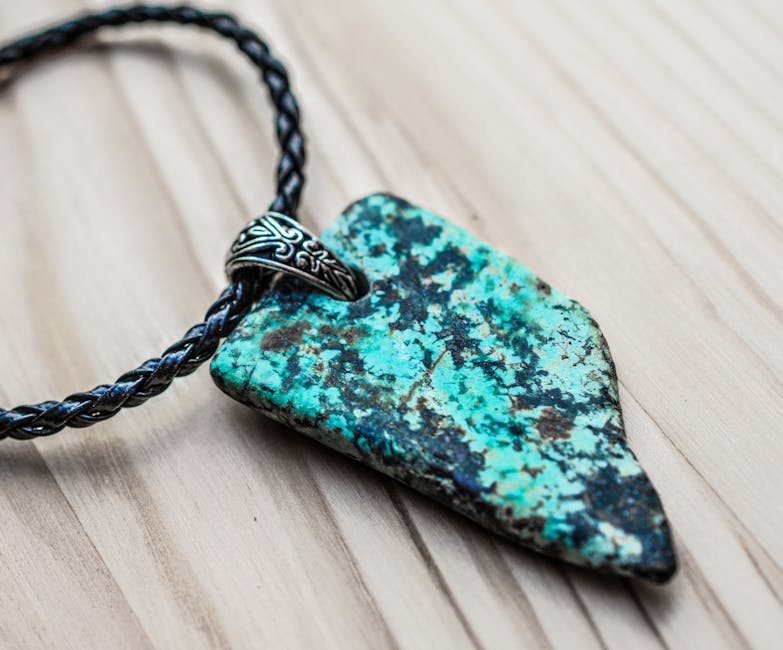
We choose jewelry to express who we are, but what if the piece itself already has a soul? A factory-made necklace is a silent object, but a handmade creation carries the echo of its maker's hands, heart, and intention. We're not just talking about aesthetics; we're talking about the invisible story that makes handmade jewelry more than an accessory—it's a connection. This is the transfer of spirit from creator to creation, a phenomenon that imbues a simple object with a history before it even meets its owner. It becomes a talisman, a piece of a person, a story forged in fire and silver.
You think you know 90s grunge accessories: the worn-in Doc Martens, the slouchy beanie, the ever-present flannel tied around the waist. But what if the most radical thing about these items wasn't their angst, but their androgyny? This wasn't just about looking disheveled; it was about dismantling the very idea of 'his' and 'hers' fashion, one combat boot at a time. While the iconic musicians of the era—from Kurt Cobain in his thrift-store cardigans to Layne Staley in his oversized sunglasses—became reluctant style icons, the true revolution was happening at the granular level of accessories. These were not statements of glamour or rebellion in the vein of punk or glam rock. Instead, they were artifacts of practicality, comfort, and anti-consumerist sentiment that, by their very nature, existed outside the rigidly gendered fashion system of the time. This article delves into how this accidental androgyny laid the groundwork for the fluid expressions of identity we see today.
Most lists just tell you who is from Chicago. We're asking a different question: why? This isn't a coincidence of geography; it's a testament to a city built on cultural incubators—from the legendary stages of Second City to the raw energy of the Steppenwolf Theatre—that systematically forge talent with a specific, undeniable edge. We're not interested in birth certificates; we're interested in the cultural blast furnaces that shape raw talent into something resilient, authentic, and ready for the world stage. This city doesn't just host stars; it manufactures them.
You typed 'fashion accessories store near me' hoping for inspiration, but instead, you got a map of the same mall stores you've seen a thousand times. What if your next great find—a handcrafted necklace or a one-of-a-kind scarf—is waiting in a small, charming boutique just around the corner, a place that Google Maps might have missed? That search bar, for all its power, often serves up the expected, the mass-produced, and the predictable. It points you to the highways of retail, completely ignoring the scenic backroads where true style and craftsmanship reside. This guide is your new map. We're bypassing the algorithm to embark on a curated tour of your own community, uncovering the artisan studios and independent shops that hold the key to a truly personal style. It's time to shop with intention and discover the stories woven into the very fabric and metal of your next favorite piece.
That colorful Bakelite bracelet from the 1930s? Its creation involved formaldehyde and a revolutionary new plastic. That shimmering green glass brooch? It might just be glowing with uranium. Before modern regulations, jewelers were chemists and pioneers, using a wild palette of materials that gave vintage costume jewelry a character that is impossible—and sometimes illegal—to replicate today. These pieces are not merely old; they are artifacts from a lost age of material science, a time when beauty was pursued with a reckless, brilliant curiosity. As a materials historian, I invite you to look closer at the treasures in your jewelry box. They hold stories not just of fashion, but of scientific discovery, industrial ambition, and the once-thin line between adornment and hazard.